Why FRESH PRESS?
Crafted from top-quality flower using only heat and pressure—no solvents, no additives, just clean, flavorful rosin made for connoisseurs.
100% Solventless
Only heat and pressure. No chemicals.
Small Batch Quality
Every batch is carefully crafted for consistency and flavor.
Premium Flower
We start with exceptional flower to produce exceptional rosin.
Terpene Rich
Maximum flavor, aroma, and purity.
Pressed, jarred, and shipped without a curing step in between. Here's what that actually means for the jar in your hand. 🌿
If you’ve landed on this page, you’re probably shopping around for fresh press rosin for sale and trying to figure out what actually separates it from the ten other concentrate labels on a dispensary menu. Cold cure, badder, jam, sauce, live rosin, hash rosin. It’s a lot of words for stuff that all starts the same way. So let’s slow down and actually explain it, the way I’d explain it to a friend who texted me asking what to buy.
Fresh press rosin is the most direct version of rosin you can get. No solvents touch it. No curing chamber holds it for weeks. It goes from flower, or hash, straight through a heated press and into a jar. What you’re tasting is close to what the plant tasted like the moment it got squeezed. That immediacy is the whole selling point, and it’s also the thing that makes people either love it or wish they’d bought the cold cured jar instead.
This page covers what fresh press rosin actually is, how it compares to the other solventless concentrates on the shelf, what small batch rosin means and why it matters, the difference between fresh press and premium hash rosin for sale, and the honest stuff too: the possible benefits, the possible risks, and how sensitive you might be to something this strong. No filler. Just what you need before you add a jar to your cart.
I want to be upfront about something before we get into the details. Rosin has a bit of a reputation problem in casual conversation. People hear “concentrate” and picture something harsh, overly processed, or made in a sketchy lab somewhere. That reputation belongs to some solvent-based products, not to rosin. Rosin is closer to olive oil than it is to lighter fluid. It’s pressed, not chemically extracted, and that distinction is the whole reason people search specifically for fresh press rosin for sale instead of just grabbing whatever concentrate is cheapest on the shelf.
Fresh Press Rosin
64 Items
What Fresh Press Rosin Actually Is
Fresh press rosin is a solventless cannabis concentrate. That word “solventless” matters. A lot of concentrates on the market get made with butane, propane, or CO2 to strip the good stuff off the plant. Rosin skips all of that. It’s made with heat and pressure, nothing else. You take cannabis flower, or a refined form of it called bubble hash, wrap it in a filter bag, and press it between two heated plates. What comes out the other side is the rosin: a glossy, amber, honey-like substance that’s basically the plant’s own oils squeezed out under pressure.
The “fresh” part refers to timing, not ingredients. Once that rosin comes off the press, it gets scraped up and packaged right away, usually within a day or two. No curing chamber, no weeks of aging, no texture change on purpose. What you get in the jar is what came off the plates. Some people call this the same thing as fresh pressed rosin, and they’re right, it’s the exact same product, just two common ways people phrase the search.
Compare that to cold cure rosin, which is that same fresh product sealed in a jar and held at a cool, controlled temperature for days or weeks. During that time, the texture shifts from a sappy liquid into a creamy, whipped consistency called badder. The flavor changes too, sometimes for the better, sometimes just differently. Neither one is the “correct” version. They’re two different finishes on the same starting material, and which one you want comes down to personal taste.
Solventless concentrates as a category cover more than just rosin, but rosin is the most common one you’ll find for sale, mostly because the equipment and process are simpler than some of the alternatives. There’s also solventless hash itself, sold unpressed, and rosin vape cartridges, which take pressed rosin and load it into a cartridge instead of a jar. All of them share the same core idea: pressure and cold water instead of chemicals to separate the good stuff from the plant material.
One thing worth knowing if you’re new to this category: the word “fresh” on the label doesn’t always mean the flower itself was fresh frozen. Sometimes fresh press rosin is made from properly cured and dried flower, then pressed and packaged right away. Other times it comes from fresh frozen plant material that skipped the drying step entirely and went straight into bubble hash production. Both are legitimately “fresh press,” the word is describing what happens after pressing, not necessarily what the plant looked like before. If you care about which one you’re getting, the label or a quick question to whoever’s selling it should clear that up.
our Products
Featured Products
How It’s Actually Made
Solventless concentrates all trace back to the same basic idea: use physical pressure instead of chemicals to pull the oil off the plant. Here’s the short version of how a batch of fresh press rosin comes together.
- Fresh cannabis, or already-made bubble hash, gets loaded into a mesh filter bag.
- The bag goes between two heated metal plates on a rosin press.
- Pressure and heat squeeze the oil out through the mesh, leaving the plant material behind.
- The oil that comes out is collected off parchment paper while it’s still warm and pliable.
- It gets scraped into a jar and packaged right away, no additional curing step.
- The jar goes straight into cold storage to protect the flavor until it reaches the shelf.
That’s it. No chemical bath, no vacuum purge to remove leftover solvent, because there was never any solvent to begin with. This is part of why solventless concentrates carry a certain reputation in the cannabis world. There’s nowhere for a shortcut to hide. The quality of what comes out is almost entirely dependent on the quality of what went in and how carefully the press operator worked. 🔥
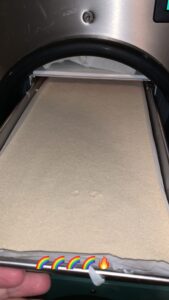
Small Batch Rosin: Why the Batch Size Actually Matters
You’ll see “small batch rosin” on a lot of labels, and it’s not just a nice phrase. Small batch usually means a press operator is working with a limited amount of a specific flower or hash source at a time, instead of running huge, mixed loads through a press over and over. That matters for two reasons.
First, consistency. When someone presses a small batch, they can control the temperature and pressure more precisely for that specific material, since different strains and different hash grades respond differently to heat. A big, mixed-load operation can’t fine-tune each press the same way. Second, traceability. A small batch usually comes from one specific harvest, sometimes even one specific grower, which means the flavor and potency you taste in a jar today should match what you get if you buy the same batch number again.
The trade-off is price and availability. Small batch rosin costs more per gram, and once a batch sells out, it’s gone. That scarcity is part of why serious rosin buyers pay attention to batch numbers and press dates the way wine collectors pay attention to vintage.
There’s also a sustainability angle to small batch production that doesn’t get mentioned enough. Because there’s no solvent to recover, filter, and dispose of, solventless production already generates less chemical waste than butane or CO2 extraction. Small batch runs take that a step further by cutting down on overproduction, since operators are pressing to match demand for a specific strain rather than running massive volumes and hoping it all sells. It’s a smaller detail compared to flavor and potency, but for buyers who care about how their concentrate gets made, it’s a real point in rosin’s favor.
Premium Hash Rosin for Sale: What Makes It “Premium”
Not all rosin starts the same way, and this is where the word “premium” actually earns its place instead of just being a marketing sticker. Premium hash rosin for sale usually means the rosin was pressed from high-grade bubble hash, not straight flower. Bubble hash is made by washing fresh frozen cannabis in ice water to separate out the trichomes, the tiny resin glands that hold most of the plant’s flavor and potency. That hash then gets dried and sifted through screens by micron size before it ever touches a press.
The highest grades of bubble hash are full melt, meaning they dissolve almost completely when heated, leaving little to no plant waste behind. Rosin pressed from full melt hash tends to have a cleaner flavor and a higher yield than rosin pressed from lower grade material or from flower directly. That extra step, washing and sifting hash before pressing, is labor intensive and cuts down on total yield, which is exactly why premium hash rosin costs more than flower rosin.
Top Shelf Hash Rosin: How to Actually Spot It
Everyone slaps “top shelf” on their menu, so the label alone doesn’t tell you much. Here’s what actually separates top shelf hash rosin from the average jar sitting next to it.
✅ Signs it’s the real deal
- A batch number and press date printed on the label
- A lab test (COA) you can actually look up, not just a claim
- Color that’s light amber to gold, not dark or murky
- A strong, specific smell that matches the strain name on the jar
- A texture that holds together instead of pooling like thin oil
🚩 Signs to walk away
- No batch info or lab results anywhere
- A smell that’s faint, musty, or doesn’t match the label
- Dark, cloudy color or visible plant debris
- A price that seems too low for a “premium” or “top shelf” claim
- Packaging that isn’t sealed, airtight, or non-stick
Exotic Hash Rosin: What “Exotic” Actually Refers To
“Exotic” gets thrown around loosely in cannabis marketing, but with hash rosin it usually points to one of two things: a rare or limited strain, or genetics that aren’t widely grown because they’re harder to cultivate or have a lower yield. Exotic hash rosin is often the product of a small, specific harvest, a grower experimenting with unusual genetics, or a strain that only shows up seasonally.
Because these strains are harder to source and grow in smaller amounts, exotic hash rosin usually costs more and sells out fast. If you’re chasing a specific flavor you can’t find anywhere else, this is the category to watch. If you just want a reliable daily concentrate, you don’t need to chase exotic drops every time. A well made, consistent small batch rosin from a strain you already know can do the job just fine.
Our Newsletter
Enter your email address to be updated with fresh news
Receive emails updates and hot offers
Fresh Press Rosin vs. Other Cannabis Concentrates
Rosin is one option among several types of cannabis concentrates, and it helps to see where it sits compared to the others.
| Concentrate | Extraction Method | Typical THC | Texture |
|---|---|---|---|
| Fresh press rosin | Heat and pressure, no solvent | 50–80% | Glossy, sappy, translucent |
| Cold cure rosin | Heat and pressure, then aged | 50–80% | Creamy, opaque badder |
| Shatter | Butane or CO2 solvent | 70–90% | Glass-like, brittle |
| Wax / budder | Butane solvent, whipped | 60–80% | Soft, opaque, crumbly |
| Distillate | Solvent plus refinement | 85–99% | Thin, clear, flavorless on its own |
The trade-off across this whole table is basically flavor and purity versus raw potency and cost per gram. Solvent-based concentrates like shatter and distillate can push THC numbers higher and cost less to produce at scale. Solventless concentrates like fresh press rosin trade a little bit of that peak number for a cleaner process and, most people would say, a fuller flavor. Neither side of that trade-off is wrong. It depends what you’re actually looking for in a session.
Possible Benefits
Let’s talk about what people actually get out of choosing rosin over other concentrates, based on how it’s used and what real buyers report. None of this is a medical claim. It’s just what shows up consistently in how people describe the experience.
🙂 What people report
- Fuller, more complex flavor than solvent-based concentrates
- No solvent residue to worry about, since none was ever used
- Strong effects from a small amount of material
- A cleaner label, fewer processing steps between plant and jar
- Terpene profiles that stay closer to the original strain
⚠️ Trade-offs to weigh
- Higher price per gram than flower or basic solvent concentrates
- Softer, stickier texture that’s harder to handle than shatter
- Shorter shelf life if it’s not stored cold
- Quality swings a lot depending on the source material
- Needs a dab rig, e-nail, or compatible vape, not something you can just smoke plain
The flavor point is the one people bring up first, and it’s not just hype. Because there’s no solvent involved and no long curing process to change the chemistry, what you taste is closer to the living plant than almost any other concentrate format. If you’ve ever had a dab that tasted like the actual flower it came from instead of a generic “weed” flavor, there’s a decent chance it was rosin.
Potency is the other big draw. A small dab of rosin testing at 60 or 70 percent THC delivers a lot more per hit than a bowl of flower testing at 20 percent. For people managing pain, sleep issues, or appetite with cannabis, that efficiency means using less material overall to get the effect they’re after. Again, that’s based on what users report, not a guarantee of any medical outcome.
Possible Risks
Now the part that matters more than flavor notes. Rosin isn’t dangerous in the way a counterfeit vape cartridge can be, since there’s no solvent or cutting agent hiding inside a legitimate product. But that doesn’t mean it’s risk free, and it’s worth being straight about that.
Because rosin skips solvent extraction, it also skips the purge step that removes residual chemicals in solvent-based concentrates. That sounds like a pure benefit, and mostly it is, but it also means anything on the original flower, mold, mildew, or pesticide residue, doesn’t get filtered out during pressing the way it might during some solvent processes. This is exactly why starting material quality matters so much with rosin specifically. A lab test on the finished rosin, not just the flower it came from, is the only way to actually confirm it’s clean.
There’s also the concentration risk that comes with any high-potency product. Rosin regularly tests in the 50 to 80 percent THC range, sometimes higher. That’s a huge jump from flower, and it’s easy to underestimate how strong a small dab actually is if you’re used to smoking. Taking too much too fast can bring on a racing heart, anxiety, paranoia, or just an overwhelming, unpleasant high that can last a couple hours. It’s not medically dangerous the way alcohol poisoning is, but it’s genuinely miserable, and it’s avoidable.
Storage matters for safety too, in a smaller way. Rosin left at room temperature or in sunlight breaks down faster, and while a degraded jar of rosin isn’t unsafe to use, it does lose potency and flavor, which means you might end up using more than you meant to just to get the effect you’re used to.
Tolerance is worth mentioning too, the same way it matters with any high-potency THC product. Regular dabbing builds tolerance fast, faster than a lot of people expect. What felt like a strong dab a month ago can start feeling like nothing, which tempts some people into bigger and bigger dabs just to feel something. That’s not a rosin-specific problem, it happens with any concentrate, but it’s worth knowing going in. Taking breaks every so often resets your tolerance and actually saves you money over time, since you need less to get the same effect.
Legal status is the other piece people sometimes gloss over. Cannabis concentrates are legal in some states and countries and completely illegal in others, and even within legal markets, the rules on possession limits and where you can buy from vary a lot. Buying fresh press rosin for sale from an unlicensed source, or carrying it somewhere it isn’t legal, carries its own risk that has nothing to do with the product’s quality. Know the rules where you live before you order anything.
THC Sensitivity: Why This Matters More With Rosin Than Flower
This is the section people skip, and it’s exactly the one you shouldn’t skip if you’re new to concentrates. Rosin is a jump in potency that catches a lot of people off guard, especially if their only cannabis experience is smoking flower. A strain that felt manageable at 20 percent THC in flower form can feel completely different pressed into rosin at 65 percent.
THC sensitivity depends on your body weight, your tolerance, how often you use cannabis, and honestly some amount of individual body chemistry that researchers still don’t fully understand. What’s consistent across almost everyone: a little goes further than you think it will with rosin. A dab the size of a grain of rice is a real dose, not a starter amount you laugh off.
If you’re dabbing rosin for the first time, the safest approach is a small dab on a low temperature, then waiting ten to fifteen minutes before deciding whether to take another. Effects from a dab hit fast, usually within a couple minutes, which is very different from an edible that can take an hour to kick in. That speed is part of the appeal for a lot of users, but it’s also exactly why it’s easy to take a second dab before you’ve felt the full weight of the first one.
People with a history of anxiety or panic attacks tend to feel high-potency THC more intensely and often do better easing in slowly or sticking to a lower dose. If you already know you’re sensitive to THC, there’s nothing wrong with pairing rosin with a lower-temperature dab or starting with a smaller amount than the person next to you. Nobody’s handing out a medal for taking the biggest dab in the room, and a bad, anxious high isn’t worth the bragging rights.
How to Actually Use Fresh Press Rosin
- Store your jar cold until you’re ready to use it, ideally in a fridge or freezer.
- Use a dab tool to scoop a small amount, about the size of a grain of rice for beginners.
- Heat your dab rig or e-nail to a low-to-medium temperature, around 450 to 500°F.
- Apply the rosin to the heated surface and inhale slowly.
- Wait several minutes before deciding whether to take another dab.
- Reseal the jar tightly and return it to cold storage right away.
What Real Buyers Are Saying
Bought a small batch jar on a whim and it’s genuinely different from anything solvent-based I’ve had. Flavor is unreal fresh.
Sticky and a little harder to work with than badder, but the taste makes up for it. Worth keeping a dab tool handy.
Way stronger than I expected coming from flower. Wish I’d started with a smaller dab. Good product, just be ready for it.
That last comment comes up a lot, and it’s worth taking seriously. Rosin isn’t something to treat casually just because it comes from a plant and skips the chemical processing other concentrates go through. Respect the potency, and the experience is a good one.
Where to Actually Buy It
A licensed dispensary is the safest place to buy fresh press rosin, full stop. Regulated markets require batch testing for potency, pesticides, and microbial contamination, which covers the exact risks we just walked through. If something’s off with a batch, there’s a paper trail back to the source, and that matters a lot with a product where the starting material quality is everything.
If you’re buying online from a licensed retailer, look for the same things you’d check in person: a batch number, a press date, and a lab test you can actually pull up, not just a claim printed on the label. Reviews from outside the seller’s own site are worth checking too. A page full of perfect five-star reviews doesn’t tell you much if the seller controls what gets posted. Look for independent feedback and watch for patterns, especially complaints about mislabeled potency, poor packaging, or orders that never showed up.
Price can be a decent signal here as well. Real premium hash rosin for sale, made from properly washed and sifted bubble hash, takes real labor and yields less product per pound of starting material than flower rosin or solvent-based concentrates. If a jar labeled “top shelf hash rosin” is priced far below everything else on the shelf, that gap usually means something was cut somewhere, whether that’s the starting material, the testing, or the labeling itself.
Who Fresh Press Rosin Is a Good Fit For
This product tends to work best for people who already have some experience with concentrates and want the fullest, most direct flavor a dab can offer. It’s also a solid pick for anyone who cares about knowing exactly what’s in their concentrate, since the process leaves almost nowhere for shortcuts to hide.
It’s a weaker starting point for someone brand new to cannabis entirely. If you’ve never used THC before, flower or a low-dose edible is a gentler place to start than a jar of rosin testing at 70 percent. There’s no rush to get here. Rosin will still be on the shelf once you’ve built up some tolerance and comfort with lower-potency products first.
Frequently Asked Questions
What is fresh press rosin?
It’s a solventless cannabis concentrate that gets packaged right after it comes off the press, with no curing step. The texture is glossy and sappy, and the flavor stays close to the original plant.
Is fresh press rosin stronger than flower?
Yes. Rosin usually tests between 50 and 80 percent THC, compared to flower’s typical 15 to 30 percent. A small dab goes a long way, especially if you’re used to smoking rather than dabbing.
What’s the difference between fresh press rosin and premium hash rosin for sale?
Fresh press describes the timing and texture, packaged right off the press. Premium hash rosin usually refers to rosin made from high-grade bubble hash. The two aren’t opposites. A fresh press jar can absolutely be premium hash rosin if the starting material and press work were done right.
How should I store fresh press rosin?
Cold and dark. A fridge or freezer in an airtight, non-stick container keeps the terpenes intact and slows down texture changes. Room temperature and sunlight both wear it down faster.
Is exotic hash rosin worth the extra cost?
If you’re chasing a rare strain or a flavor you can’t find anywhere else, yes, that’s the whole point of exotic hash rosin. If you just want a dependable daily concentrate, a well made small batch rosin from a familiar strain gets the job done for less money.
Fresh press rosin earns its price by cutting out every shortcut between the plant and the jar. No solvent, no long processing chain, just heat, pressure, and whatever the flower actually had to offer. That directness is exactly why the flavor and potency hit the way they do, and exactly why it deserves a little respect and a slow start if you’re new to it. Buy from a source that can show you real lab results, keep your jar cold, and start with less than you think you need. That’s the whole formula for a good experience with any hash rosin, fresh press or otherwise.