
How to store fresh press rosin is usually the last question people ask, right after they’ve already bought it. It should be one of the first. A jar of fresh press rosin represents hours of careful work: fresh-frozen flower or freshly washed hash, a slow cold cure, and a low-temperature press that pulls the oil out without cooking off a single drop of terpene. All of that work can be undone in a single afternoon left on a sunny windowsill. So before we get into flavor, terpenes, and lab numbers, let’s talk about why storage is the whole ballgame with this category of concentrate. 🍯
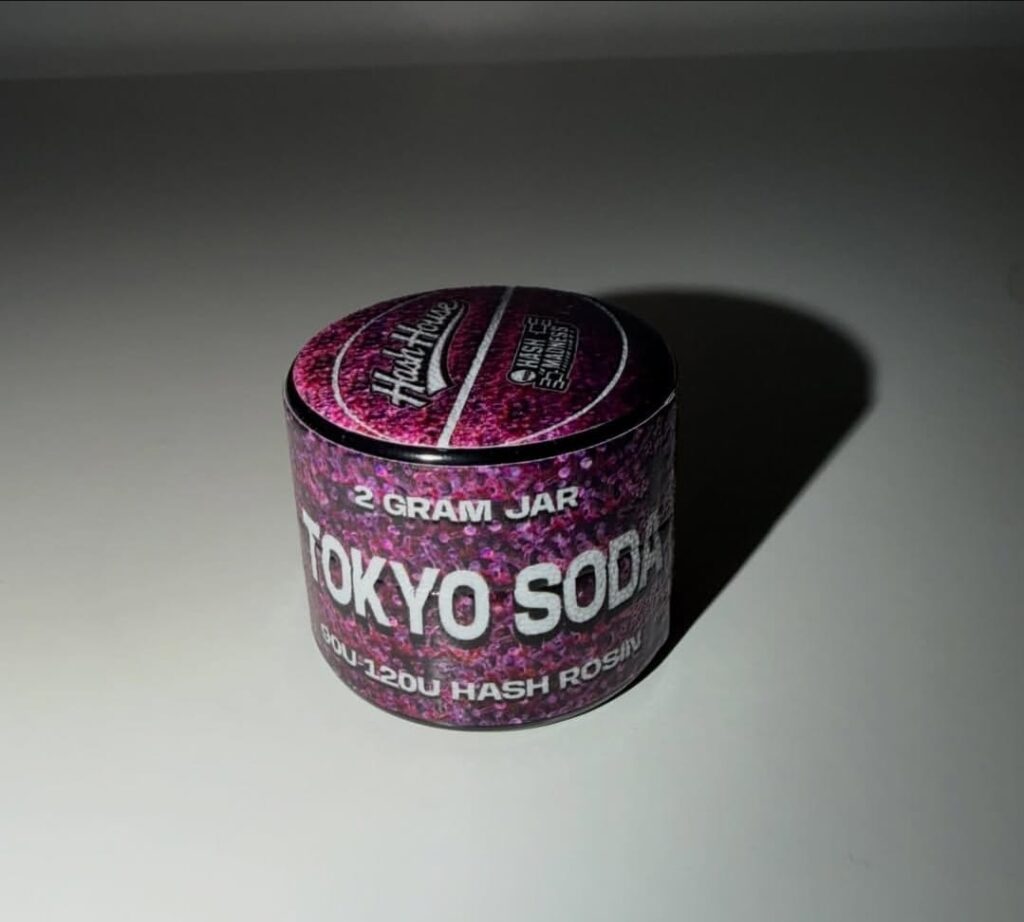
How to store fresh press rosin comes down to controlling four things: light, heat, air, and time. Rosin has no solvent barrier and no additives protecting it, which means it’s more chemically “alive” than distillate or shatter. UV light breaks down cannabinoids and fades terpenes within days. Heat above room temperature speeds up oxidation and can literally melt a jar back into a soupy mess. Air exposure lets the lightest, most fragrant terpenes evaporate straight out of the container. And time, even under perfect conditions, slowly nudges rosin from a fresh, jammy texture toward a firmer, waxier one. None of this means rosin is fragile in a bad way. It just means it rewards a buyer who knows how to treat it right.
What Makes Fresh Press Rosin Different
Most concentrates on the market start with a solvent, butane, propane, or CO2, that strips cannabinoids and terpenes off the plant and is later purged out. Fresh press rosin skips that step entirely. Instead, fresh-frozen cannabis (or bubble hash made from fresh-frozen cannabis) is loaded into a filter bag and placed between two heated plates. A hydraulic press then applies steady, even pressure. The combination of gentle heat and mechanical force squeezes the oil-rich trichome heads until they rupture and release their contents. What comes out is rosin: unrefined, unfiltered by chemicals, and about as close to the living plant as a concentrate can get.
This is also where how is hash rosin made becomes a genuinely different conversation than flower rosin. Hash rosin starts with ice water hash, cannabis that’s been agitated in ice water so the trichome heads separate from the plant material, then filtered through a series of increasingly fine micron screens. Only the cleanest, most resinous hash, typically anything graded 90 microns and finer for premium runs, ever makes it into the press. Because the starting material is already concentrated trichomes instead of whole flower, hash rosin tends to press cleaner, melt fuller, and carry a rounder, less vegetal flavor than rosin pressed directly from bud.
How Much Is Hash Rosin, and Why the Price Makes Sense
How much is hash rosin is one of the most common questions we get, and it’s a fair one, because hash rosin usually costs more per gram than distillate, live resin carts, or even flower rosin. The reason is yield. It can take several pounds of fresh-frozen flower, washed down through multiple hash grades, to produce a single gram of press-ready jam. Add in the cold cure time, the careful temperature control during the press, and the loss that comes from being extremely selective about which hash actually gets pressed, and the higher price reflects real, unavoidable production cost rather than markup for its own sake. When you’re paying for hash rosin, you’re paying for the labor and precision that goes into a low-yield, high-quality process, not a shortcut.
How to Make Hash Rosin (The Short Version)
You don’t need to run a press yourself to appreciate how to make hash rosin, but knowing the basic steps helps explain why quality varies so much between brands. First, fresh-frozen cannabis is washed in ice water to separate trichome heads from plant matter. Second, that wash is filtered through a stack of micron bags, from coarse down to fine, isolating the cleanest hash. Third, the best-graded hash is slow, cold-cured for days to weeks, which lets excess moisture and plant lipids settle out. Finally, the cured hash is pressed between heated plates, usually somewhere in the 180–210°F range, for a short window, often under a minute, to preserve as much terpene content as possible. Every one of those steps is a place where corners can be cut, and every one of those steps is where we don’t cut them.
Flower Rosin vs Hash Rosin: What’s the Real Difference
The flower rosin vs hash rosin debate comes up constantly, and the honest answer is that both have a place. Flower rosin is pressed directly from fresh-frozen or cured buds without the ice water wash step. It’s faster to produce, generally more affordable, and still fully solventless, but it tends to carry more plant lipids and waxes into the final product, which can mean a slightly less full melt and a more herbal, less refined flavor. Hash rosin, on the other hand, starts from washed and graded trichomes only, so it typically presses cleaner, melts more completely, and preserves a brighter, truer-to-strain terpene profile. If flower rosin vs hash rosin is a budget-versus-craft decision, hash rosin sits firmly on the craft side.
The Cold Cure Difference
A lot of what separates a good fresh press rosin from a forgettable one happens before the press is ever turned on. Cold curing, storing freshly washed hash at low, controlled temperatures for anywhere from several days to a few weeks, allows residual moisture and fats to naturally separate from the resin heads. Skipping this step and pressing “hot off the wash” often produces a wetter, less stable rosin that budders or separates quickly in the jar. A proper cold cure is slower and more expensive, but it’s the difference between a rosin that holds its jammy consistency for months and one that turns unpredictable within weeks.
Why Terpene Preservation Is the Whole Point
Terpenes are the aromatic compounds responsible for flavor, and they’re also the most fragile part of any cannabis product. They begin degrading with heat exposure above roughly 100–120°F and evaporate steadily any time a jar is left open. Fresh press rosin is pressed at low temperatures specifically to protect these compounds, which is why storage matters so much after purchase. Buying a terpene-forward product and then storing it carelessly is like buying fresh-ground coffee and leaving the bag open on the counter for a month. The craftsmanship on the front end only pays off if the back end, your storage, keeps up with it. 🌿
What to Look For Before You Buy
A trustworthy fresh press rosin should tell you, without you having to ask, where it came from and how it was tested. Look for a visible harvest or press date, a strain name with an honest classification (indica, sativa, or hybrid), and a batch or QR code you can scan to pull up third-party lab results. Texture should look consistent, jammy to slightly buttery depending on temperature, never dry, chalky, or visibly separated with a layer of oil pooling on top. Color should be true to the strain, typically a warm gold to amber, not overly dark or cloudy, which can sometimes signal an over-processed wash or a rushed cure.
Every batch we press is scannable by QR code directly on the label, linking to that specific batch’s independent lab results rather than a generic spec sheet. If a rosin brand can’t show you batch-specific testing, that’s worth asking about before you buy.
Product Specifications
| Attribute | Detail |
|---|---|
| Product Type | Fresh Press Hash Rosin |
| Extraction Method | Solventless / Ice Water Hash + Heat-Press |
| Starting Material | Fresh-Frozen Flower, Washed & Graded |
| Press Temperature Range | 180°F – 210°F |
| Cure Method | Cold Cured, 5–21 Days |
| Texture | Jammy / Butter Consistency |
| Color | Golden to Light Amber |
| Strain Classification | Hybrid (batch featured below) |
| Available Sizes | 0.5g, 1g, 3.5g |
| Batch Verification | QR Code, Scan-to-Verify |
| Solvents Used | None |
Flavor
Fresh press rosin delivers flavor closer to biting into the actual bud than almost any other concentrate. Our featured hybrid batch opens sweet and fruity up front, with a soft citrus brightness, before settling into an earthy, slightly spicy finish on the exhale. Because nothing is stripped away or reintroduced, what you taste is what the plant actually produced, not a reconstructed flavor profile. 🍊
Aroma
Straight out of the jar, expect a loud, unmistakably fresh smell, ripe tropical fruit layered over a deep, resinous funk. There’s a light gassy undertone underneath the sweetness that becomes more noticeable as the jar warms slightly to room temperature. This is a good sign: strong, true-to-strain aroma at the jar level almost always means the terpenes survived the wash, cure, and press intact.
Inhale & Exhale Experience
On the Inhale
- Smooth, full-melt draw with minimal harshness at proper dab temperature
- Fruit-forward flavor hits first, followed by a resinous, herbal depth
- No solvent aftertaste, since none were ever used
On the Exhale
- Earthy, slightly peppery finish that lingers pleasantly
- Vapor is dense but clean, without a chemical edge
- Flavor carries through, doesn’t fade halfway through the session
Fresh Press Rosin For Sale: What You’re Actually Getting
When you buy fresh press rosin for sale through a licensed source, you should be getting more than just a jar of extract, you should be getting traceability. Every batch we offer is pressed in small runs, cold cured before pressing, and lab tested by an independent, state-licensed facility. Each package carries a scannable QR code linking directly to that batch’s certificate of analysis, so you’re never taking a brand’s word for potency or purity. Available in 0.5g, 1g, and 3.5g sizes, all packaged in UV-resistant, airtight jars designed to protect the rosin from the moment it’s pressed until the moment you open it.
Features
- 100% solventless, no butane, propane, or CO2
- Pressed from fresh-frozen, cold-cured bubble hash
- Full-melt, low-temperature press process
- Batch-specific QR lab verification
- UV-blocking, airtight jar packaging
- Strain-true terpene and flavor profile
Rosin Quality Details
Quality in hash rosin is graded well before it ever touches a press. Our starting hash is filtered down to 90 microns and finer, meaning only the cleanest, most resinous trichome heads make the cut, plant material and lower-grade hash are set aside. From there, a full cold cure removes excess moisture and lipids before pressing. During the press itself, low, controlled temperatures protect the terpene structure instead of cooking it off for a faster yield. The result is a full-melt rosin: when dabbed at proper temperature, it should melt completely, leaving little to no residue behind. That full melt is the single clearest sign of quality you can check for yourself.
Terpene Profile
Featured hybrid batch, tested per COA on QR label
Limonene1.8%
Caryophyllene1.3%
Myrcene1.1%
Terpinolene0.7%
Linalool0.4%
Terpene percentages shown reflect this featured batch’s certificate of analysis. Every batch varies slightly, always check the QR code on your specific jar for exact, current lab data rather than relying on averages.
Typical Lab Testing Ranges for Hash Rosin
Industry-typical figures for context, not a substitute for your batch’s actual COA
| Metric | Typical Range |
|---|---|
| Total THC | 60% – 85% |
| Total Cannabinoids | 65% – 88% |
| Total Terpenes | 3% – 10% |
| Residual Solvents | None Applicable (solventless) |
| Pesticide Screen | Pass (state panel, per batch) |
These are general industry ranges for professionally pressed, cold-cured hash rosin, useful for knowing what “normal” looks like when you’re shopping. They are not the certificate of analysis for any specific jar. Scan the QR code on your packaging for the real, batch-specific lab results before you buy or consume.
Product Highlights
- 🍯 Full-melt, solventless hash rosin pressed from fresh-frozen, cold-cured hash
- 🌿 Strain-true terpene profile with no additives or reintroduced flavoring
- 🔍 Batch-specific QR code links directly to independent lab results
- 🏆 Hybrid classification, sweet citrus and fruit notes over an earthy finish
- 📦 Packaged in UV-blocking, airtight jars for maximum freshness on arrival
Why Customers Choose Fresh Press Rosin
Customers who move from vape carts or distillate over to fresh press rosin almost always describe the same thing: flavor that finally matches what the strain smelled like at the dispensary counter. Because nothing is extracted with solvent and nothing is reintroduced afterward, fresh press rosin tastes like the plant it came from, not like a processed version of it. Add in full transparency through batch-specific lab testing, a full-melt consistency that confirms purity on sight, and small-batch pressing that prioritizes quality over volume, and it’s easy to see why rosin has become the benchmark that other concentrates get compared against.
How to Store Fresh Press Rosin
The focus of this guide, read this part twice
How to store fresh press rosin correctly comes down to a short list of habits, not special equipment. Follow these and a fresh jar can stay close to day-one quality for months.
Do This
- Store in the original UV-blocking, airtight jar
- Keep refrigerated (36–40°F) for long-term storage
- Let the jar come to room temp before opening to reduce condensation
- Use a dab tool, never fingers, to limit air and moisture exposure
- Reseal immediately and firmly after every use
Avoid This
- Direct sunlight or windowsills, even briefly
- Leaving the jar open while you set up your session
- Storing near a stove, heater, or car dashboard
- Freezing and thawing repeatedly, this stresses texture
- Transferring to non-food-grade or non-airtight containers
If you’re storing for the short term, a cool, dark cabinet at stable room temperature works fine for a few weeks. For anything longer, the fridge is the better call, and the freezer is best reserved for rosin you don’t plan to touch for several months. Whichever method you choose, the underlying goal of how to store fresh press rosin never changes: minimize light, minimize heat swings, and minimize air exposure every single time the jar is opened. ❄️
Usage Tips
- Dab at a lower temperature (around 450–550°F surface temp) to taste the full terpene profile before it burns off
- Let refrigerated rosin sit at room temperature for a few minutes before scooping, it’s easier to handle and won’t shock the terpenes
- Use a non-stick silicone container or the original jar, rosin sticks stubbornly to glass and metal tools
- Only take out what you need for that session, repeated air exposure is the fastest way to flatten flavor
- Store your dab tool separately and clean it between uses to avoid contaminating the jar
Comparison vs Similar Concentrates
| Concentrate | Extraction | Flavor Retention | Typical Price |
|---|---|---|---|
| Fresh Press Hash Rosin | Solventless | Highest | $$$ |
| Flower Rosin | Solventless | High | $$ |
| Live Resin | Solvent (BHO) | High | $$ |
| Distillate | Solvent + Refined | Low (reintroduced) | $ |
| Shatter | Solvent (BHO) | Moderate | $ |
In the flower rosin vs hash rosin comparison specifically, hash rosin wins on purity and full-melt consistency because it starts from washed, graded trichomes rather than whole bud, while flower rosin remains the more budget-friendly solventless option.
Frequently Asked Questions
How do you store fresh press rosin long term?
For anything beyond a few weeks, refrigerate fresh press rosin in its original airtight, UV-blocking jar at 36–40°F. For storage beyond a few months, a freezer works, but let the jar warm to room temperature slowly before opening to avoid condensation inside the container.How is hash rosin made from start to finish?
Fresh-frozen cannabis is washed in ice water to separate trichome heads, filtered through micron screens to isolate the cleanest hash, cold cured for days to weeks, then pressed between heated plates at low temperature and firm pressure to extract the final rosin.How much is hash rosin compared to other concentrates?
Hash rosin typically costs more per gram than distillate, live resin, or shatter because of low yield and labor-intensive production. The exact price varies by strain, batch size, and micron grade, but it generally sits at the top of the concentrate price range.What’s the difference between flower rosin vs hash rosin?
Flower rosin is pressed directly from bud, while hash rosin is pressed from washed and graded bubble hash. Hash rosin generally presses cleaner, melts more fully, and preserves a brighter terpene profile, while flower rosin is faster to produce and more affordable.Does fresh press rosin need to be refrigerated?
It doesn’t strictly need to be for short-term storage, but refrigeration significantly extends how long it holds its texture, flavor, and potency. If you’re not finishing a jar within a few weeks, the fridge is the safer choice.Why does my rosin change texture over time?
Rosin naturally shifts from a jammy, fresh consistency toward a firmer, waxier one as residual moisture evaporates and terpenes slowly break down. Proper cold storage slows this process considerably but doesn’t stop it entirely, it’s a natural part of how the product ages.Can I make hash rosin at home?
Learning how to make hash rosin at home is possible with a rosin press and washing equipment, but consistent, full-melt quality takes practice, precise temperature control, and properly cured starting material, which is why professionally pressed rosin is generally more consistent.Is fresh press rosin the same as live rosin?
They’re closely related. Live rosin typically refers to rosin pressed from fresh-frozen, never-dried starting material, which is exactly what fresh press rosin describes. Both terms point to the same solventless, terpene-focused process.How can I tell if hash rosin is high quality?
Look for a full melt with little to no residue when dabbed, a strain-true aroma right out of the jar, a batch-specific QR code linking to lab results, and a texture that’s consistently jammy rather than dry, chalky, or separated.What strain classification is this batch?
The featured batch on this page is a hybrid, offering a balanced effect profile with a citrus-forward, earthy flavor. Available strains and classifications rotate by batch, always check the current QR-linked COA for the exact genetics and terpene data of the jar in hand.urrent, batch-specific results via the QR code on your product packaging before purchase or use.