
How to undry fresh press rosin is probably why you clicked, but let’s back up first, because knowing what you’re buying makes the “undrying” part make a lot more sense. This is Jealousy fresh press rosin, a solventless concentrate pressed from fresh frozen Jealousy flower using nothing but heat and mechanical pressure. No butane. No propane. No CO2. Just trichomes, ice water, mesh, heat, and a press. 🔬
Fresh press rosin is exactly what it sounds like. The flower gets harvested and frozen fast, before it ever dries down, so the terpenes stay locked in at their peak. From there it either gets washed into ice water hash or pressed directly, then the pressing itself happens on a tight timeline so the trichomes don’t sit around losing potency before they hit the plates. That short window between harvest and press is the whole reason “fresh” is part of the name. Rosin that sits around for weeks before it gets pressed loses aroma fast, and you can smell the difference the second you open two jars side by side.
Jealousy is the strain behind this batch, and it’s a good one to press. It’s a cross of Gelato 41 and Sherbet Bx1, an indica-leaning hybrid that’s become a favorite in the rosin world specifically because of how much resin the flower puts out. High trichome density is the whole game with solventless extraction. You can’t press great rosin from thin, low-resin flower, no matter how skilled the presser is. Jealousy gives the press team something to actually work with, and it shows in the yield and the texture of the final product.
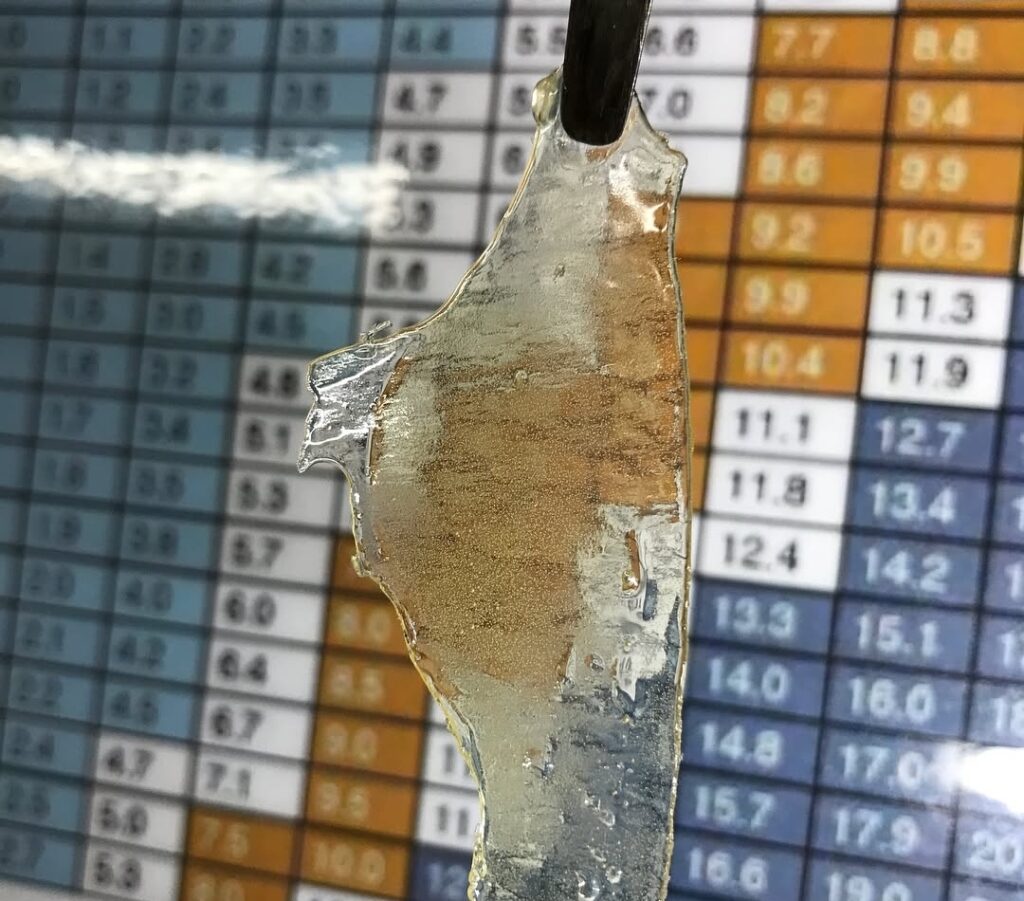
Once the flower (or hash) goes through the press, the rosin comes out looking wet, golden, and a little glossy, almost like warm honey. That texture is intentional and it’s a sign of quality, not a defect. Fresh press rosin is meant to be soft and pliable right after pressing. Over the following days it goes through a natural curing process where moisture and residual solvents (yes, even water from the ice hash wash) slowly work their way out, and the texture firms up into what most people recognize as a “budder” or “batter” consistency. That’s normal. That’s the rosin doing exactly what it’s supposed to do.
How to undry fresh press rosin becomes relevant when that curing process goes further than you wanted, usually because the container was left open, sat somewhere warm, or just had more time to firm up than you expected. A jar left out on a counter for a day, especially somewhere warm or dry, can go from soft and scoopable to stiff and a little crumbly. It’s not ruined. It’s not wasted money. It’s a texture problem, not a quality problem, and it’s fixable in a few minutes, which we’ll walk through later on this page.
What separates this Jealousy fresh press rosin from a lot of what’s on shelves right now comes down to three things: starting material, timeline, and technique. The flower going into this batch is small-batch and grown specifically with rosin pressing in mind, not flower that got repurposed after it didn’t sell as smokable bud. The timeline from freeze to press stays tight on purpose, because every extra day sitting around is a day of terpene loss nobody wants. And the pressing itself uses a low-and-slow temperature approach, which takes longer and yields a little less rosin per run, but protects the more delicate terpenes that give this strain its actual smell and flavor.
Fresh press rosin, done right, is genuinely one of the cleanest ways to experience a strain. Because there’s no solvent step, there’s nothing to purge, and nothing artificial gets introduced into the process. What you’re tasting is what was already in the plant. That’s a big part of why rosin drinkers, the people who really pay attention to this stuff, tend to prefer it over solvent-based concentrates even when the potency numbers land in a similar range. It’s not really about being “stronger.” It’s about being a more direct, less processed version of the flower itself.
This particular batch runs on the higher end for terpene content, which is part of why the smell hits so hard the moment the lid comes off. Grape, gas, and a creamy dessert note underneath it, that’s the Jealousy signature, and it comes through clearly in the rosin because so little gets lost in the pressing process compared to solvent extraction. The color sits in that classic light gold to amber range you want to see, no green tint, no cloudiness, which tells you the temperature control during pressing was on point and the starting flower was clean.
For anyone newer to solventless concentrates, a quick reality check on cost. Rosin costs more than shatter, wax, or distillate per gram, and it’s not a markup game, it’s yield. Solvent extraction pulls the vast majority of available resin out of a pound of flower. Rosin pressing might recover a fifth of that, sometimes less, depending on the flower. More flower has to go in to get the same gram out, and that cost shows up in the price tag. When you’re holding fresh press rosin, you’re holding the output of a lot more plant material than the jar size suggests.
Storage and handling matter more with rosin than with almost any other concentrate category, which loops back to the whole “undrying” conversation. Heat, air, and light are the three things working against you the entire time this product is in your possession. Keep it cold, keep it sealed, keep it dark, and it’ll hold its texture and aroma for months. Skip any one of those steps and you’ll be dealing with a firmer, less pliable product sooner than you’d like, which is completely reversible but easiest to avoid in the first place.
Let’s talk about the actual pressing process in a bit more detail, because understanding it helps explain both the price and the texture you’re holding. Fresh frozen Jealousy flower first goes through an ice water wash. The frozen material gets agitated in ice water, which causes the trichome heads, the tiny resin glands covering the plant, to snap off and sink. That material gets filtered through a series of mesh bags, each one finer than the last, separating out plant matter and leaving behind the cleanest trichome heads in the tightest micron bags. What comes out of that wash is bubble hash, sometimes called ice water hash or IWH, and it’s this hash, not raw flower, that goes into the press for this batch.
Pressing hash instead of pressing flower directly tends to produce a cleaner final rosin, since a lot of the plant material that would otherwise end up in a flower press has already been filtered out during the hash wash. It’s an extra step, and it takes more time and more equipment, but it’s part of why this batch comes out with the color and clarity it has. The hash goes into a mesh filter bag, gets placed between heated plates, and the press applies steady, even pressure while holding a specific temperature. Low and slow is the approach here. Higher heat pulls more rosin out per run, which sounds good on paper, but it also cooks off more of the lighter, more volatile terpenes, the ones responsible for a lot of the top-note smell and flavor. Lower heat protects those terpenes at the cost of a slightly smaller yield, which is a tradeoff this batch is built around on purpose.
Once pressed, the rosin gets collected off the parchment and moved into curing. This is where the “wet and glossy right out of the press” texture starts to change into the more familiar batter or budder consistency most rosin buyers recognize. During curing, residual moisture from the ice water wash slowly works its way out of the material, along with any last bit of volatile terpenes that didn’t fully settle during pressing. This isn’t a fast process, and rushing it with heat or leaving the container open to speed up evaporation is one of the most common ways rosin ends up over-dried before it even reaches a customer. A properly cured batch takes its time, and the payoff is a stable texture that holds up well in storage without swinging wildly between too wet and too dry.
It’s worth talking honestly about what “fresh” actually protects against, because a lot of marketing around cannabis products throws the word around without explaining what it means in practice. Terpenes are volatile compounds, which means they evaporate at relatively low temperatures and break down when exposed to heat, light, and air over time. The moment flower gets harvested, that clock starts ticking. Freezing the flower immediately, rather than letting it go through a standard multi-week drying and curing process, essentially pauses that clock. The terpenes that were present at harvest are largely still present when that frozen material eventually gets washed and pressed, instead of having partially evaporated during weeks of drying like they would with standard cured flower.
That’s the whole argument for fresh frozen, live-style processing, and it’s why a rosin pressed from fresh frozen material almost always smells louder and tastes closer to the actual living plant than one pressed from flower that sat around curing for a month first. Cured rosin isn’t a lesser product, plenty of people prefer its smoother, more mellow flavor profile, but it’s a genuinely different experience from what you get with fresh frozen, live-processed material like this Jealousy batch.
Now, back to the texture question, because this is really where “how to undry fresh press rosin” becomes something worth understanding rather than just fixing after the fact. Rosin texture exists on a spectrum. Freshly pressed and freshly cured rosin sits on the softer end, wet, glossy, and easy to scoop. As time passes, especially with exposure to air or warmth, moisture continues to leave the material even after the initial cure is done. That ongoing, slow moisture loss is completely normal and expected over the course of weeks or months. What catches people off guard is when that process speeds up dramatically because a jar got left open, sat in a warm car, or spent a day next to a sunny window. In those situations, a batch that should have taken months to firm up can noticeably stiffen in a single day.
The good news is that this kind of accelerated drying is almost always reversible, because what’s actually happening at a chemical level is moisture and some lighter terpenes evaporating out of the material faster than intended, not the cannabinoids themselves breaking down or disappearing. THC and other cannabinoids are considerably more heat-stable than terpenes, so a firmer, drier piece of rosin usually still tests close to its original potency, it just handles differently on a dab tool and doesn’t smell quite as loud as it did fresh out of the jar. Reintroducing gentle warmth and working the material by hand reactivates enough of that flexibility to bring the texture most of the way back, even if you don’t recover every last bit of aroma that evaporated off.
This is also why storage habits matter so much more with rosin than with something like distillate or a pre-filled cartridge. Distillate is already stripped of most of its natural terpenes and stabilized chemically, so it doesn’t really have a “freshness window” the same way. Rosin is the opposite. It’s the least processed concentrate on the market, which is exactly what makes it taste and smell so good, but that same lack of processing means it’s more sensitive to its environment. Treating a jar of fresh press rosin more like a perishable food item than a shelf-stable product is honestly the right mental model. Cold, dark, sealed, and used within a reasonable window. Do those four things and you’ll rarely need to think about undrying anything in the first place.
All of that said, life happens. Jars get left out during a busy day, get passed around at a gathering and forgotten on a counter, or get thrown in a bag that ends up sitting in a warm car for a few hours. None of that means the product is ruined, and none of it means you wasted your money. It means you’re a normal person who forgot to put a jar back in the fridge, and the fix is quick enough that it’s genuinely not worth stressing over.
Bottom line: this is a small-batch, fresh frozen, low-temp pressed Jealousy rosin built for people who care about flavor and process, not just a THC number on a label. It’s pressed from ice water hash rather than raw flower for a cleaner final product, cured patiently instead of rushed, and stored properly it’ll hold its texture and aroma for months. If you ended up with a jar that firmed up faster than expected, keep reading, because the fix takes less time than it took you to read this description.
One more thing worth mentioning before moving into specs: not every “solventless” product on the market is created equal, and it’s worth knowing what to look for so you’re not comparing this Jealousy batch against something that only sounds similar on paper. Some sellers use the term loosely to describe anything that isn’t obviously BHO, even when the process involved heavier mechanical extraction, higher heat presses, or flower that sat around for weeks before pressing. None of those shortcuts are illegal or even necessarily bad, but they produce a noticeably different product than what you’re looking at here. A genuine fresh press rosin should have a documented press date, should list whether it came from fresh frozen or cured material, and should come with lab testing you can actually review rather than a vague claim of being “tested.” This batch checks all three boxes, and that transparency is part of what you’re paying for along with the flower itself.
It also helps to set realistic expectations around consistency from batch to batch. Cannabis is an agricultural product, and even with the exact same strain, the exact same grower, and the exact same pressing technique, small variations in color, texture, and terpene percentage between runs are normal and expected. A slightly darker gold one month and a slightly lighter one the next doesn’t mean something went wrong, it usually just reflects natural variation in the plant itself, growing conditions, or the specific pheno of Jealousy used in that particular harvest. What should stay consistent across batches is the overall flavor profile, the quality of the melt, and the general potency range. If any of those three things swing wildly from one order to the next, that’s a signal worth paying attention to, but small cosmetic differences are just part of buying a product this close to the raw plant.
Finally, a word on why this level of detail matters at all for a product page. Cannabis concentrates, and rosin specifically, sit in a category where a lot of buyers are making a real financial decision, sometimes a meaningful one at these price points, often without being able to smell or touch the product before it arrives. Being upfront about the process, the strain genetics, the realistic potency ranges, and even something as unglamorous as how to fix a jar that dried out faster than expected is part of respecting that buyer’s decision. It’s easy to write marketing copy that only talks about how good something smells. It takes a bit more effort to also explain how it’s made, what can go wrong, and how to fix it, and that’s the standard this page is trying to meet.
5. Product Specifications Table
| Spec | Detail |
|---|---|
| Product Name | Jealousy Fresh Press Rosin |
| Category | Solventless Cannabis Concentrate |
| Extraction Method | Heat + pressure, ice water hash washed, no chemical solvents |
| Starting Material | Fresh frozen Jealousy flower |
| Strain Classification | Indica-dominant hybrid (Gelato 41 x Sherbet Bx1) |
| Texture | Soft budder / batter, wet and pliable when fresh |
| Color | Light gold to amber |
| Available Sizes | 0.5g, 1g, 3.5g |
| Batch Type | Small batch, limited run |
| Cannabinoid Content* | Typically 65% to 78% total THC (representative range, verify actual batch COA) |
| Total Terpene Content* | Typically 3% to 6% (representative range, verify actual batch COA) |
| Lab Testing | Third-party tested for potency, pesticides, and microbials (batch-specific COA available on request) |
| Recommended Storage | Refrigerated, airtight, dark container |
| Shelf Life | 3 to 6 months for peak flavor with proper storage |
*Numbers above are representative industry-typical ranges for this concentrate category, not a specific batch result. Always check the actual certificate of analysis (COA) for the batch you purchase.
6. Flavor
How to undry fresh press rosin matters partly because you don’t want to lose this flavor profile in the process. 🍇 Jealousy fresh press rosin leads with grape and sweet gas up front, then settles into a creamy, almost dessert-like finish on the exhale. There’s a light funk underneath that keeps it from tasting one-dimensional, and it lingers on the palate longer than most concentrates in this price range.
7. Aroma
Open the jar and it’s loud immediately, no waiting around for it to “open up.” Grape candy and diesel fuel hit first, backed by a doughy, slightly sweet undertone. This is one of the clearer signs of a genuinely fresh press: weak or muted smell almost always means the terpenes have already started to fade.
8. Inhale & Exhale Experience
The inhale is smooth for a concentrate this potent, especially at lower dab temperatures, with the grape and gas notes showing up right away. 💨 The exhale is where the creamy, dessert-like finish comes through, and it doesn’t leave much harshness or aftertaste behind if you’re keeping your rig on the cooler side.
9. Details for Fresh Press Hash Rosin for Sale
Fresh press rosin for sale under this batch was pressed from ice water hash, meaning the flower went through a cold water wash and mesh bag separation before it ever touched the plates. That extra hash-washing step generally produces a cleaner, more refined rosin compared to pressing flower directly, since the wash removes more plant material before pressing even starts. Every batch carries a press date and is sold within a window meant to protect flavor, not months after the fact.
10. Features
- 🌱 Made from fresh frozen Jealousy flower, not dried and cured material
- 🚫 Zero solvents used at any stage of production
- 🧊 Ice water hash washed before pressing for a cleaner final product
- 🔥 Low-temperature press to protect terpene content
- 📦 Small batch, limited availability per run
- 🧪 Third-party lab tested for potency and contaminants
11. Rosin Quality Details
How to undry fresh press rosin only comes up because this rosin is soft and workable to begin with, not stiff or chalky out of the jar. Quality here gets judged on melt, color, and smell, and this batch checks all three. It should pull cleanly off a dab tool with minimal residue left behind in the banger, and the color stays consistent light gold to amber across the batch rather than shifting toward dark brown or green, which would signal heat damage during pressing.
12. Terpene Profile
Dominant terpenes in this Jealousy batch typically include caryophyllene (peppery, gas-forward), limonene (bright, citrus-adjacent sweetness), and linalool (the soft, floral note underneath the grape candy smell). Together they build the layered profile that makes this strain recognizable in rosin form. Exact percentages vary batch to batch and should be confirmed on the specific COA for the jar in hand.
13. Product Highlights
- ✅ Small-batch fresh press rosin, pressed from fresh frozen Jealousy flower
- ✅ No solvents, no additives, nothing beyond heat and pressure
- ✅ Loud, true-to-strain grape and gas aroma
- ✅ Soft, workable texture straight out of the jar
- ✅ Third-party lab tested for potency and safety
14. Why Customers Choose Fresh Press Rosin
Fresh press rosin keeps showing up in repeat orders because customers can taste the difference between this and a solvent-based concentrate almost immediately. There’s nothing between the flower and the final product except heat and pressure, so what you smell in the jar is what was actually in the plant. Customers also point to consistency between batches, since keeping the freeze-to-press window tight means every run smells and tastes close to what came before it, instead of one jar being loud and the next being flat.
15. Undrying Fresh Press Rosin: The Full Breakdown
Undrying Fresh Press Rosin After 1 Day Out
How to undry fresh press rosin after just one day out of the fridge is usually a quick fix, since the terpenes haven’t had much time to actually evaporate, the rosin has just firmed up on the surface. If a jar was left out overnight or sat somewhere warm for a few hours, you’ll typically notice the texture went from soft and scoopable to stiffer and slightly tacky rather than fully dry. At this stage a gentle heat source and a few minutes of patience usually brings it right back to a workable consistency.
Steps to Undry Fresh Press Solventless Rosin
- 🌡️ Place the closed container in warm (not hot) water, around 90 to 100°F, for 5 to 10 minutes. A double boiler setup on very low heat works too, just keep the container sealed.
- 🥄 Once softened, use a clean, non-metal dab tool to gently fold and work the rosin. This redistributes moisture and warmth evenly through the material.
- 🔁 If it’s still stiff, repeat the warm water step in short intervals rather than one long soak, checking texture each time.
- 🧊 Once it’s back to a soft, pliable consistency, transfer it to an airtight container and refrigerate immediately to lock the texture back in.
- ❄️ Avoid direct heat sources like a hair dryer or stovetop flame. Fast, high heat can scorch terpenes and permanently flatten the flavor, which defeats the whole purpose of fixing it.
Why Do People Undry Fresh Press Rosin
People undry fresh press rosin because a firmer texture makes it harder to dab cleanly, harder to portion, and generally less enjoyable to work with, even though the potency and flavor underneath are usually still intact. Undrying isn’t about saving a ruined product, it’s about restoring the texture that makes rosin easy and pleasant to use. Skipping this step doesn’t waste the rosin, it just makes the experience clunkier than it needs to be, so most regular users treat undrying as a normal, low-effort part of owning rosin rather than an emergency fix.
16. Storage Instructions
- 🧊 Store in the refrigerator, or freezer for longer-term storage
- 🔒 Keep in an airtight container at all times, non-stick parchment or a silicone jar works well
- 🌑 Store away from direct light, UV exposure degrades cannabinoids over time
- 🚫 Avoid metal tools that can react with terpenes and alter flavor over time
- 📅 Use within 3 to 6 months for the best flavor and aroma
17. Usage Tips
- Dab at lower temperatures to protect the terpene profile and get the full flavor experience 🔥
- Let refrigerated rosin sit at room temperature for a couple minutes before handling, so it’s easier to work with a dab tool
- Use a non-metal dab tool to avoid altering flavor or transferring heat too fast
- If using in a rosin-compatible vape or e-rig, start low on temperature and adjust up as needed
- Only take out the amount you plan to use, and reseal the rest immediately to protect what’s left
18. Comparison vs. Similar Flavors
Compared to other grape-and-gas leaning strains pressed into rosin, Jealousy tends to run sweeter and creamier on the finish, with less of the sharp fuel note some gas-heavy strains lean into. Compared to a straight Gelato rosin, Jealousy brings more grape candy forward and a slightly softer texture. Compared to a Sherbet-forward rosin, Jealousy keeps more of the funk underneath rather than leading with dessert sweetness the whole way through.
19. FAQs
How to undry fresh press rosin without ruining the flavor?
Use gentle, indirect warmth like a warm water bath around 90 to 100°F for a few minutes, then fold it with a dab tool. Avoid direct flame or high heat, which can scorch terpenes.
Why did my fresh press rosin dry out after one day?
It was likely left uncovered, exposed to warm air, or stored without an airtight seal. Fresh press rosin firms up fast without proper temperature and humidity control.
Is dried out fresh press rosin still safe to use?
Yes. A firmer texture doesn’t mean the rosin is unsafe, it just means moisture and warmth have left the material. Potency stays mostly intact, only texture changes.
What’s the difference between fresh press rosin and live rosin?
“Fresh press” describes how soon after harvest the material was pressed. “Live” describes the starting material being fresh frozen instead of dried and cured. A rosin can be both fresh press and live at the same time.
How long does fresh press rosin stay fresh?
With proper cold, airtight storage, most fresh press rosin holds solid flavor and texture for 3 to 6 months before terpenes start noticeably fading.
Can I use a hair dryer to undry fresh press rosin?
It’s not recommended. Direct, high heat from a hair dryer can scorch delicate terpenes fast and permanently dull the flavor. Stick to gentle, indirect warmth instead.
What strain is this fresh press rosin made from?
This batch is made from Jealousy, an indica-dominant hybrid cross of Gelato 41 and Sherbet Bx1, known for its grape, gas, and creamy dessert flavor profile.
Why is fresh press rosin more expensive than shatter or distillate?
Rosin pressing yields far less product per pound of flower compared to solvent extraction, so more starting material and labor go into every gram.
Does undrying fresh press rosin reduce potency?
Undrying itself doesn’t meaningfully reduce potency when done gently. The main risk to potency and flavor comes from using high, direct heat during the process.
How should I store fresh press rosin to avoid it drying out again?
Keep it refrigerated in an airtight, dark container, and only remove the amount you need at a time, resealing the rest immediately.
Customer Reviews
★★★★★ “I left my jar out overnight by accident and panicked, but the warm water trick brought it right back to a perfect scoopable texture. Flavor was still incredible, all grape and gas like it was supposed to be.”
★★★★★ “This is genuinely the best Jealousy rosin I’ve had. Smells exactly like the strain, melts clean, no leftover residue in the banger. Ordering again as soon as this jar is gone.”
★★★★☆ “Great flavor and texture out of the jar. It did firm up a bit after a few days in the fridge, but the undrying steps on this page worked exactly as described.”
★★★★★ “Consistent every single order. That’s rare with rosin and it’s exactly why I keep coming back to this brand.”
★★★★☆ “Really solid rosin, sweet grape upfront with a creamy finish. Wish the batch size options went a bit bigger, but the quality is there every time.”