
Fresh press vs cold cure rosin is the question every serious dabber eventually asks, and it’s the right question to ask before you spend your money. If you want to know exactly what you’re buying, this guide breaks down the whole process, from the ice water hash washing to the final jar, so you can decide which texture, cure, and terpene profile fits how you actually smoke.
Fresh press rosin starts with premium ice water hash, sometimes called bubble hash, that’s been sorted through progressively finer micron bags until only the cleanest trichome heads remain. That hash gets frozen, then loaded into parchment paper and pressed between heated plates. The heat and pressure squeeze the resin glands until the oil bleeds out, leaving behind the plant fiber and lipids. What’s left is rosin: pure, solventless cannabis concentrate with nothing added and nothing stripped away by chemical solvents. This is the extraction process that separates rosin from shatter, wax, or distillate, all of which typically rely on butane, propane, or CO2 to pull cannabinoids from the plant.
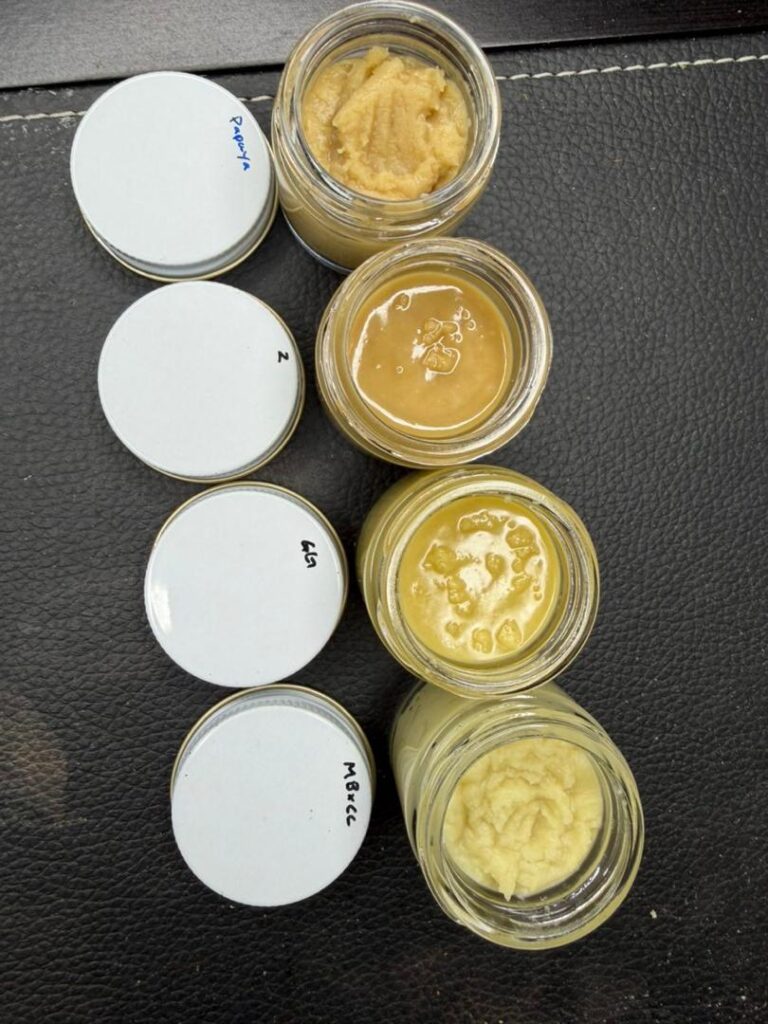
Here’s where fresh press cold cure comparison actually matters to your wallet and your lungs. Fresh press rosin is pulled off the press and packaged almost immediately, sometimes within the same day. Because it never sits around, it holds onto the most volatile terpenes, the aromatic compounds that give cannabis its smell and flavor and that evaporate first under heat or time. That’s why a fresh pressed rosin often smells louder and tastes more like the flower it came from. The tradeoff is texture. Fresh press rosin is usually looser, saucier, and more likely to separate into a runny terpene layer sitting on top of a thicker cannabinoid layer (often called “sauce and badder”).
Cold cure rosin takes a different road entirely. After the initial press, the rosin goes into a temperature-controlled environment, typically between 55 and 70 degrees Fahrenheit, and rests there for one to eight weeks. During this cure, residual moisture continues to evaporate slowly, and the texture transforms from a wet, unstable paste into a firm, whippable badder or a clean, stackable jam consistency. Rosin curing methods like cold curing are prized by extractors because they let the material stabilize naturally, without heat, which would blow off terpenes and degrade cannabinoids. The result is a product that scoops easily, holds its shape at room temperature, and stores for months without weeping oil or hardening into a brick.
So which wins? Neither, really. Fresh press vs cold cure rosin isn’t a competition with one correct answer, it’s a choice between two finished products built for different priorities. If flavor intensity and top-shelf aroma are your main draw, fresh press rosin usually delivers the loudest terpene experience. If you want a rosin that’s easier to handle, dabs consistently from the first scoop to the last, and travels well without turning into soup in a hot car, cold cured rosin is typically the safer bet.
Texture and consistency deserve their own breakdown, because rosin texture comparison is one of the most searched questions among concentrate shoppers. Fresh press rosin ranges from a thin, honey-like sauce to a slightly firmer badder depending on the starting hash quality and how much moisture was present during the wash. Cold cured rosin, by contrast, moves through predictable stages: it starts pliable and taffy-like right after pressing, then firms into a whipped, cake-batter texture during the first week of cure, and eventually sets into a dense, stable badder or jam. Extractors will often work (whip) the rosin during this window to fold air in and create a lighter, more uniform texture, similar to how a baker creams butter and sugar.
Cannabinoids are the backbone of potency, and rosin captures them at a concentration far above raw flower. Ice water hash rosin routinely tests between 60% and 80% total THC, with the exact number depending on the starting cultivar, the trim quality, and how clean the hash wash was. Cold curing does not meaningfully change total cannabinoid content, since no heat is applied during the rest period, but it can slightly concentrate cannabinoids as residual moisture leaves the material. Fresh press terpene preservation is the real differentiator for total terpene percentage, since a portion of the lighter terpenes will naturally off gas during any extended cure, cold or otherwise.
Heat and pressure are the two levers that decide the fate of every batch before curing even enters the picture. Extractors press at temperatures generally between 160 and 220 degrees Fahrenheit, with lower temperatures reserved for terpene-forward, flavor-focused presses and higher temperatures used for maximizing total yield. Too much heat scorches the resin and can degrade both cannabinoids and terpenes, giving the final product a burnt, less flavorful profile. Too little heat, and the press won’t fully extract the oil from the trichome heads, leaving yield on the table and wasting good hash. Pressure works alongside heat: a gentle, gradual squeeze extracts oil more evenly than a hard, fast slam, which is why quality-focused presses use slow ramp cycles instead of one aggressive pump.
Moisture is the quiet variable that can make or break a rosin press. Ice water hash needs to be dried to the right moisture content, typically in the 4% to 8% range, before it’s pressed. Too wet, and the rosin will “puff” or bubble excessively under heat, blowing off terpenes and creating an unstable, watery product. Too dry, and yield drops because the trichomes become brittle and don’t release oil as efficiently. This is one of the biggest differences between hobbyist rosin and professionally cured, batch-tested rosin: the drying and moisture control happens under lab conditions, not by feel.
Oxidation is the enemy of shelf life for any concentrate, rosin included. Once rosin is exposed to air, light, and heat, its cannabinoids and terpenes begin to slowly degrade, THC converts to CBN over time, and terpenes volatilize and fade. Fresh press rosin, being higher in volatile terpenes right out of the gate, is somewhat more sensitive to oxidation if it’s not stored properly. Cold cured rosin, having already lost its most unstable moisture and lighter terpene fractions during the rest period, tends to hold up slightly better in long-term storage, though both textures benefit enormously from cold, dark, airtight storage.
If you’re trying to decide between fresh press and cold cured rosin, ask yourself what you actually want from a dab session. Fresh press vs cold cure rosin buyers who prioritize an intense, true-to-flower terpene experience and don’t mind a saucier consistency should lean fresh press. Buyers who want a rosin that behaves the same way every single time, scoops clean, and survives a summer in a backpack should lean cold cured. Fresh Press Rosin brand offers both textures made from the same premium ice water hash input, so you’re never trading potency or purity, only choosing the texture and terpene profile that fits your routine.
Lab data matters just as much as texture when you’re deciding what to buy, and it’s worth knowing what those numbers actually mean. Every batch of Fresh Press Rosin, whether pressed fresh or cold cured, goes through cannabinoid and terpene testing before it reaches a jar. Typical results for this Gelato #41 hybrid batch land between 65% and 78% total THC, with total terpenes ranging from 3% to 7% depending on whether the batch was tested fresh off the press or after a full cold cure. Strain classification matters here too. Gelato #41 is a hybrid cross, generally leaning slightly indica-dominant in effect, known in flower form for its dense, purple-tinged buds and sweet, creamy aroma. That same genetic backbone carries straight through into the hash and, eventually, into the rosin, which is why the terpene profile you read on this page (heavy on caryophyllene and limonene) lines up so closely with what Gelato #41 smokers already expect from the flower.
Rosin curing methods extend well beyond simply letting a jar sit in a cold room. Professional curing involves daily or near-daily “whipping,” where the rosin is folded and worked with a metal tool to redistribute moisture evenly and prevent hard spots from forming on the surface while the inside stays soft. This step is part of what separates a properly cold cured badder from a jar that was just left alone and happened to firm up. Skipping the whip step often produces a rosin that’s dry and crumbly on top but wet and unstable underneath, which is a common quality issue with rushed or amateur cures. Rosin curing methods used correctly produce a uniform texture from the top of the jar to the bottom, which is one of the easiest ways to tell a well-made cold cured product from a shortcut version.
Fresh press cold cure comparison shopping also comes down to trust in the extraction process itself, not just the finished texture. Ice water hash extraction relies on agitating cannabis material in ice water so the trichome heads, which are heavier than the plant fiber, break off and sink through a series of progressively finer mesh screens. The finest screens, often rated 90 micron and below, capture the cleanest, most potent trichome heads with the least amount of plant contamination. That clean starting material is non-negotiable for a quality press, because no amount of careful pressing or curing can fix a rosin made from low-grade hash. This is also why fresh press vs cold cure rosin should never be framed as a shortcut versus a “real” method. Both textures start from the exact same high-grade hash, and both are legitimate finished products with different handling after the press.
Buyers comparing rosin texture comparison data across brands should also pay attention to how a company talks about its process. Transparent brands will tell you the press temperature, the approximate cure time, and the testing methodology behind their potency numbers. Vague or evasive answers about any of these details are usually a red flag that quality control isn’t a priority. Fresh Press Rosin publishes testing ranges rather than hiding behind marketing language, because a rosin buyer deciding between fresh press and cold cured deserves real information, not guesswork.
For wholesale and retail buyers alike, fresh press vs cold cure rosin also affects logistics. Fresh press rosin, being less stable at room temperature, generally needs cold chain shipping and storage from the moment it leaves the press to the moment it reaches a dispensary shelf. Cold cured rosin is more forgiving in transit and display, which is one reason many retail counters favor cured badder for case displays while offering fresh press as a rotating, limited small-batch option for customers chasing the loudest possible terpene experience. Understanding this distinction helps explain why pricing and availability sometimes differ between the two textures even when they come from the identical starting hash batch.
One last thing worth knowing before you buy: rosin texture comparison and fresh press terpene preservation aren’t marketing buzzwords here, they’re the two questions our own quality team asks about every single batch before it’s cleared for packaging. If a fresh press jar doesn’t hit the aroma bar we set, or a cold cured jar doesn’t hit the texture bar, it doesn’t go out under the Fresh Press Rosin name. That’s the standard behind every jar, fresh pressed or cold cured, that reaches your hands. 🌿
Every batch we press starts with fresh, flash-frozen cannabis or high-grade dry sift hash, washed through multiple micron bag sizes to isolate only the cleanest trichome heads. Nothing is bleached, winterized with solvents, or cut with any additive. What you dab is exactly what came off the plant, concentrated through ice water, heat, and pressure alone. That’s the entire promise behind solventless rosin, and it’s why fresh press vs cold cure rosin remains one of the most trusted categories in the concentrate market today. 🔥
5. Product Specifications Table
| Specification | Details |
|---|---|
| Product Type | Solventless Hash Rosin |
| Strain | Gelato #41 (Hybrid) |
| Extraction Method | Ice Water Hash, Solventless Press |
| Texture Options | Fresh Press (Sauce/Badder) or Cold Cured (Badder/Jam) |
| Typical THC | 65% to 78% |
| Typical Total Terpenes | 3% to 7% |
| Typical CBD | Less than 1% |
| Moisture Content (pre-press hash) | 4% to 8% |
| Press Temperature Range | 160°F to 220°F |
| Cold Cure Duration | 1 to 8 weeks |
| Cold Cure Temperature | 55°F to 70°F |
| Solvents Used | None |
| Packaging | UV-protected glass jar, child-resistant lid |
| Net Weight Options | 1g, 3.5g (1/8 oz), 7g (1/4 oz), 28g (1 oz) |
| Recommended Storage | Refrigerated, airtight, dark |
| Shelf Life (properly stored) | 6 to 12 months |
6. Flavor
Fresh press vs cold cure rosin shows its biggest personality difference right here, in flavor. Fresh pressed Gelato #41 rosin hits with a bright, dessert-forward sweetness up front, creamy vanilla and cake batter notes layered over a citrusy backbone. Cold cured rosin carries the same core flavor family but slightly mellowed, since the extended cure lets some of the sharper top notes settle, leaving a smoother, rounder sweetness that lingers longer on the exhale.
7. Aroma
Fresh press terpene preservation is most obvious the second you crack the jar. Fresh pressed rosin releases a loud, gassy sweetness with hints of ripe berry and fresh baked cookie dough. Cold cured rosin opens with a softer, more blended aroma, less sharp gas upfront, more of a rounded sugary cream scent as the terpenes have had time to meld together during the rest period. 🍰
8. Inhale & Exhale Experience
On the inhale, fresh press rosin delivers a smooth, flavorful hit with minimal harshness thanks to the low-temperature dab range solventless concentrates allow. The exhale carries forward that same dessert sweetness with a slight gas finish. Cold cured rosin inhales just as smooth, often described as slightly creamier in mouthfeel, and the exhale tends to be a touch smoother overall since the texture vaporizes more evenly off the nail or banger.
9. Details for Fresh Press
Fresh press rosin from this batch is pressed within hours of the final hash wash reaching optimal moisture. The press cycle uses a lower heat setting between 165°F and 180°F to protect the more delicate terpenes, with a gradual pressure ramp over 60 to 90 seconds. This gentle rosin curing methods approach at the pressing stage is what locks in the loud, true-to-strain aroma fresh press rosin is known for, even though it means the texture stays saucier and needs cold storage sooner than cold cured rosin.
10. Features
- 🌿 100% solventless, made only with ice water and pressure
- 🍯 Two texture options: fresh press and cold cured
- 🔬 Batch-tested for cannabinoid and terpene content
- ❄️ Cold cure rosin structured for scoopable, stable consistency
- 🌸 Full-spectrum terpene profile preserved from live or fresh-frozen input
- 🚫 No additives, cutting agents, or artificial flavoring
11. Rosin Quality Details
Quality control starts before the press ever turns on. Only ice water hash rated 5-star or 6-star (the finest micron grades with the least plant contamination) is used for pressing. Rosin texture comparison testing is done internally on every batch, checking for consistency, color, and melt quality before packaging. Fresh press rosin batches are screened for proper moisture at the hash stage to avoid puffing, while cold cured batches are monitored weekly through the rest period to track texture development and confirm the rosin is stabilizing correctly rather than degrading.
12. Terpene Profile
| Terpene | Typical % of Total Terpenes | Flavor Contribution |
|---|---|---|
| Caryophyllene | 18% to 24% | Peppery, spicy, gas |
| Limonene | 15% to 20% | Citrus, sweet |
| Linalool | 10% to 14% | Floral, creamy |
| Humulene | 8% to 12% | Earthy, woody |
| Terpinolene | 6% to 10% | Herbal, fruity |
| Myrcene | 6% to 9% | Earthy, musky |
13. Product Highlights
- Fresh press vs cold cure rosin, both made from the same premium hash input
- Fresh press terpene preservation for the loudest possible flavor
- Rosin curing methods used to build a stable, long-lasting cold cure texture
- Rosin texture comparison tested internally on every batch before packaging
- Lab-checked potency in the 65% to 78% THC range
- Solventless from wash to press, no butane, no propane, no CO2
- Fresh press cold cure comparison data available on request for wholesale buyers
14. Why Customers Choose Fresh Press Rosin
Fresh press vs cold cure rosin buyers choose this brand because they get to pick the experience instead of guessing. Customers who chase flavor above all else go fresh press and get a terpene-rich, saucy dab that tastes exactly like the strain it came from. Customers who want a rosin that survives their glovebox, their gym bag, or a hot afternoon on the patio choose cold cured for the stability. Either way, buyers know they’re getting full-melt, solventless rosin with transparent lab data and no shortcuts taken during the wash or the press.
15. Storage Instructions
Store fresh press rosin in an airtight, UV-protected glass container inside the refrigerator to slow oxidation and preserve terpenes. Cold cured rosin can be stored at cool room temperature short term but lasts longest in the fridge as well, ideally between 35°F and 45°F. Avoid direct sunlight, heat sources, and repeated temperature swings, since going in and out of the fridge introduces condensation that can affect texture and encourage mold growth over time. Freezing is an option for long-term storage beyond a few months, but let the jar come fully to room temperature before opening to avoid moisture buildup inside.
16. Usage Tips
- Use a quartz or titanium banger and dab at a low temperature (450°F to 550°F) to protect terpenes and avoid harsh, degraded hits
- Warm fresh press rosin slightly (hold the jar in your hand for a minute) if it’s too firm to scoop straight from the fridge
- Use a fresh, clean dab tool each session to avoid cross-contaminating flavors between jars
- Let cold cured rosin sit at room temperature for a few minutes before scooping for the easiest, cleanest dab
- Store your dab tool away from moisture to prevent water droplets from transferring into the jar
17. Comparison vs Similar Concentrates
Fresh press cold cure comparison shopping gets easier once you line rosin up next to the other concentrates on a menu. Compared to live resin, which is extracted with solvents like butane from fresh-frozen plant material, fresh press rosin achieves a similarly loud terpene profile without any solvent involved, making it the cleaner comparable option for solventless-only buyers. Compared to shatter or wax, which typically start as solvent-based extracts and are purged of residual solvent through vacuum ovens, rosin skips that step entirely since there’s no solvent to purge in the first place. Compared to distillate, which is refined to isolate cannabinoids and strips out virtually all native terpenes, rosin keeps the full-spectrum profile intact, which is why rosin (in either fresh press or cold cured form) is generally considered the more flavorful, whole-plant option among cannabis concentrates.
18. FAQs
1. What is the difference between fresh press and cold cure rosin? Fresh press cold cure comparison starts with texture and timing. Fresh press rosin is packaged shortly after pressing and keeps a saucier texture with maximum terpene intensity. Cold cure rosin rests in cold, controlled conditions for one to eight weeks, developing a firmer, more stable badder or jam texture.
2. Which is stronger, fresh press or cold cured rosin? Total cannabinoid percentage is roughly the same between the two, since curing doesn’t add or remove THC. Any difference typically comes down to the starting hash quality rather than the fresh press vs cold cure rosin distinction itself.
3. Does cold curing reduce terpenes? Yes, slightly. Some of the lightest, most volatile terpenes naturally off gas during an extended cure, which is why fresh press rosin often tastes a bit louder right out of the jar.
4. How should I store fresh press rosin? Keep it in an airtight, UV-protected jar in the refrigerator, away from light and heat, to slow oxidation and protect the terpene profile.
5. Is rosin better than live resin? Rosin is solventless, made using only ice water, heat, and pressure, while live resin uses a chemical solvent like butane. Both can have strong terpene profiles, but rosin is the cleaner solventless option.
6. Why is my rosin sauce separating? Sauce and badder separation is a normal texture variation in fresh press rosin, especially from strains higher in monoterpenes. It doesn’t affect potency or safety, and can be gently mixed before dabbing.
7. What temperature should I dab rosin at? A low-temperature dab between 450°F and 550°F protects the terpene profile and gives a smoother inhale and exhale on both fresh press and cold cured textures.
8. How long does cold cured rosin last? Properly stored in the refrigerator, cold cured rosin typically holds its texture and potency for 6 to 12 months.
9. What strain is this rosin made from? This batch is pressed from Gelato #41, a balanced hybrid known for its sweet, dessert-forward terpene profile.
10. Is fresh press rosin the same as cold cure rosin in potency? Potency is set primarily by the starting hash, not the cure. Fresh press vs cold cure rosin is a texture and flavor decision more than a potency decision.
Customer Reviews
★★★★★ “Loudest terpenes I’ve had in months” – Devon R. I grabbed the fresh press jar first and honestly the smell alone sold me before I even dabbed it. Tastes exactly like the strain, super clean melt, zero residue in the banger. Grabbing the cold cured next time to compare textures.
★★★★★ “Cold cured is so easy to work with” – Priya S. I always struggled scooping sauce out of the jar without making a mess. The cold cured badder from this brand solved that completely, it’s firm, scoops in one clean pull, and still tastes amazing. Didn’t expect it to hold up this well after two months in my fridge.
★★★★☆ “Great flavor, just know what you’re getting” – Marcus T. The fresh press rosin is a little saucier than I expected but the flavor makes up for it. Once I read up on fresh press vs cold cure rosin I understood why, now I just keep a dab tool handy for stirring it before I load up.
★★★★★ “Best rosin I’ve tried from a legal brand” – Alicia N. Both textures are great but I’m partial to cold cured for daily use. Consistent potency, clean smooth hits, and the jar actually says the terpene percentage instead of hiding it. Will be a repeat customer.